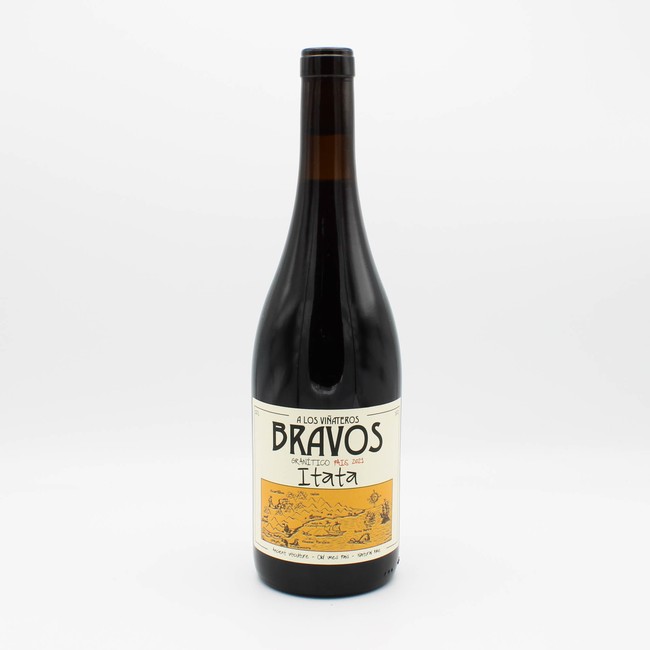
Pais grown on granite soils in the far south of Chile's Itata region. 150-year-old vines that give a sense of Chilean winemaking from before Cabernet and Carmenere took over.
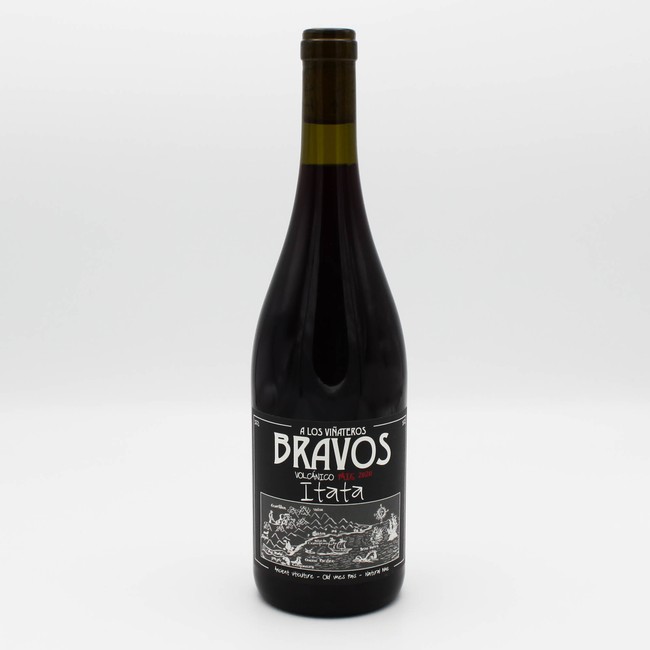
Pais grown on volcanic soils in the far south of Chile's Itata region. 150 year old vines that will give you a sense of Chilean winemaking from before Cabernet and Carmenere took over.
A light, delicate Pinot Noir with loads of fruit and a green pepper note from the whole-cluster maceration, that spends a year in barrel before bottling.
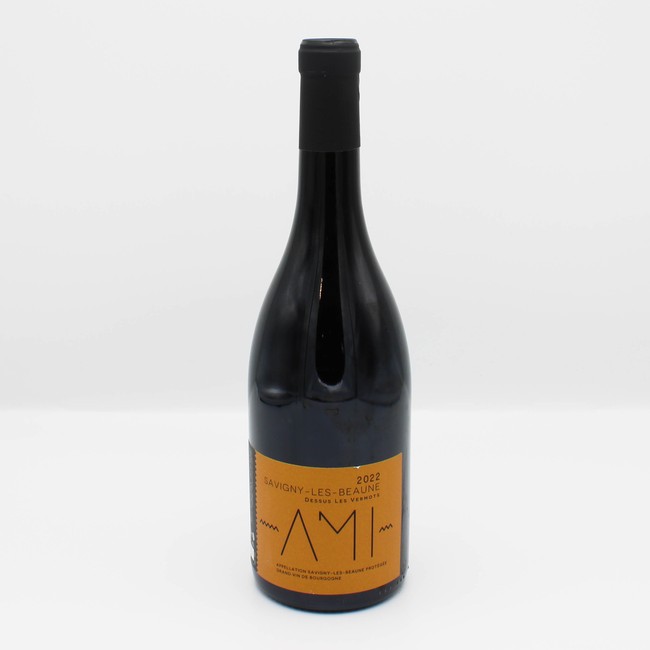
Dessus les Vermots refers to 1 of the 29 Lieux-dits of Savigny-lès-Beaune between the Hill of Corton and Beaune. Roundness, volume, power, and balance are all here, and in just the right proportions.
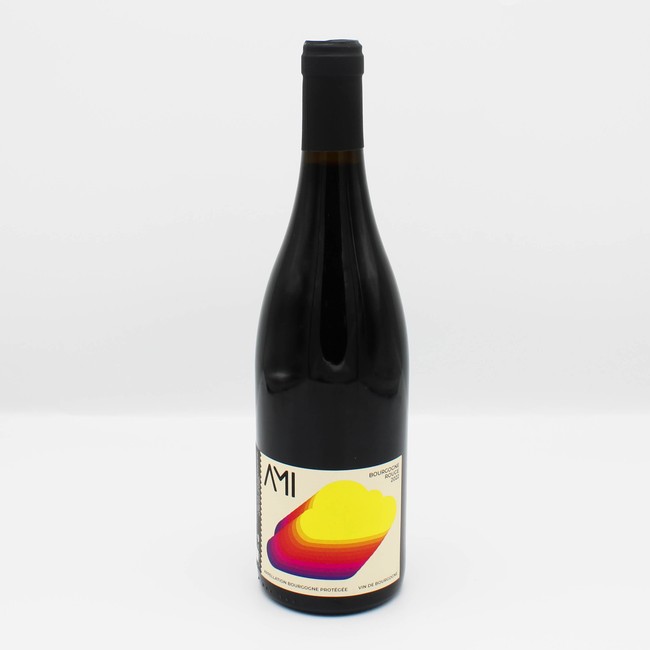
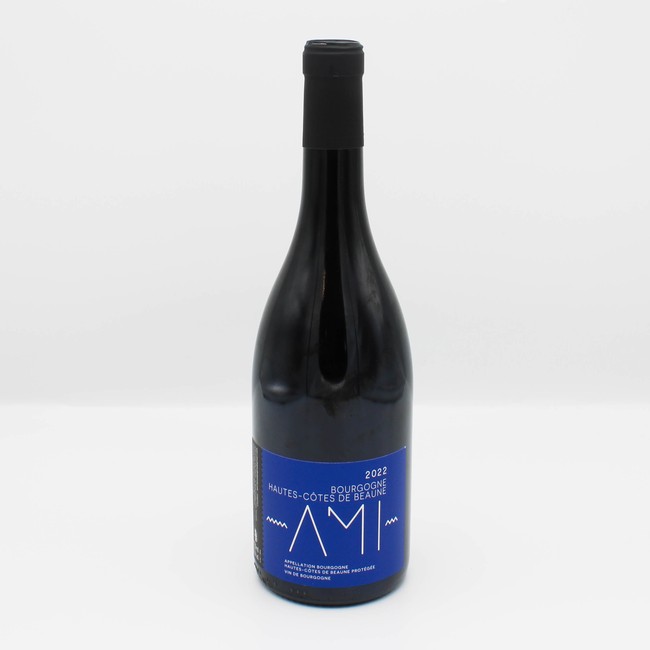
Willy got his expertise first working wines in Clos du Moulin aux Moines, Auxey-Durresses, where he developed a rich understanding of the land of Cote de Beaune. Now he and his lifelong friend are making a name for themselves with AMI. In conversion to biodynamic farming, the wines come from chemical free, healthy ecosystems.
Handcrafted Grenache with the grape's signature combination of high-toned red fruit and floral notes and punchy high alcohol. This wine comes from Chateauneuf-du-Pape vineyards but is declassified to Vin de France because the appellation favours blended wines.
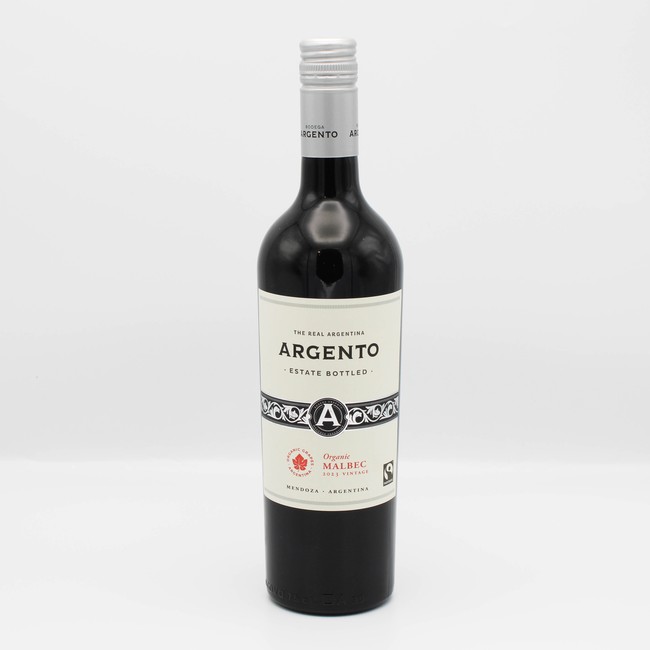
Classic varietal character of dark berries, white pepper, tobacco, and chalk. The palate is full and energetic with long-lasting flavours of dark cherry, blackcurrant, violet, lavender, and rose petal.
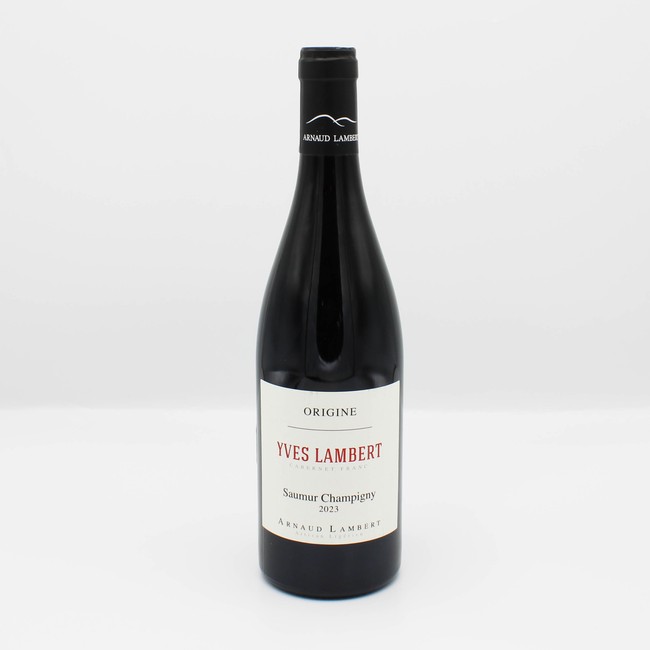
Single vineyard Cabernet Franc with a strong maceration and some age in oak casks and concrete. Dark fruited, leathery, and tannic, this wine is a great pairing for richer game dishes.